AI ideas, with the reasoning behind them
Scripe's AI reads what your field responds to and matches it to what your company wants to be known for. Every idea comes with its reasoning and its sources.
More than 1,200 companies run LinkedIn on Scripe, from solo founders to teams of 20 and more.
How the Ideas Engine in Scripe works, in three steps.
It watches your field and your sources
Scripe tracks what performs on LinkedIn every day, and reads the newsletters, creators and calls you connect.
It matches ideas to you
Every idea fits your positioning and has one job: Reach, Trust or Convert.
You bring the take, Scripe drafts
Pick an idea and add your take. Scripe drafts it for you or named colleagues and asks your expert for anything missing.
Every idea is matched to what you want to be known for, and shows its reasoning before you write.
Scripe's AI reads what your field responds to and matches it to what your company wants to be known for. Every idea comes with its reasoning and its sources.
An outlier is a post that did at least twice what its author usually gets, so a big following doesn't win for being big. Each outlier shows how far it outperformed.
Connect the newsletters, creators and blogs you follow, and your calls. Scripe picks out the ideas that fit your topics and shows how each topic is doing in your field.


 3 profilesEva· DraftThe decision, and the week sales hated itChristoph· DraftThe numbers, 90 days inNicolle· DraftWhat the discovery calls taught us
From the same idea, Scripe drafts a post for you or for named colleagues, each from that person's own topics and experience. When an idea needs input, it sends the question to the right expert, and the answer lands on the idea.
Your results feed back in, so what worked for you comes back as ideas, also for teammates it fits. You can leave old posts out of the learning.
The biggest topic isn't the one that lands. Against the same author's other posts, a post about AI is the breakout less than half the time, a post about a new role four times in five.
Integrations with Google Drive, Notion, GitHub, Granola, Slack, WhatsApp, Claude, ChatGPT and more.
All integrationsGoogle Drive
Your positioning deck, messaging doc, and case-study PDFs feed the knowledge the engine matches ideas to, so suggestions fit what your company actually stands for. You choose files, not whole folders.
How it worksNotion
The Notion pages that hold your positioning and playbooks feed the engine too, so ideas stay on strategy. They are cited wherever a draft uses them.
How it worksGitHub
Connect a repository and a new release note becomes a source of ideas for your product team, so they post what shipped while it is still news. Code stays code.
How it worksGranola
Pick the meeting notes that matter, and Scripe reads them into the Knowledge Base, cited wherever a draft uses them. A changed note updates its document.
When you like an idea but need input, Scripe sends the question to the right expert on WhatsApp; they answer by voice or text, with no login, and the answer lands on the idea as material for the draft.
How it worksSlack
New ideas and the workflow around them reach the channel your team already reads, so a good idea does not sit unseen.
How it worksClaude, ChatGPT, and the API
Search the outliers, generate ideas from any text, and list, create, or schedule ideas straight from Claude, ChatGPT, or Cursor, or from your own code on the public API: the whole engine, with the evidence behind each idea, available where your team works.
How it works| Compare it with where your ideas come from today. | Scripe Ideas Engine | Asking a chat for topics | Viral and trend inspiration tools | Scrolling your feed for ideas |
|---|---|---|---|---|
| Where ideas come from | Posts that beat their author's own average, matched to your positioning | A general model's guess | Raw popular posts | Whatever you happen to see |
| Judged against each author's own average | Yes | No | No, raw numbers | No |
| Grounded in your company's knowledge | Yes | Only what you paste in | No | No |
| Shows the evidence behind an idea | Yes | No | Sometimes | No |
| One idea, posts for many people | Yes | If you brief it on each person | No | No |
| Learns from your results over time | Yes | No | Rarely | No |
 ColdIQ
ColdIQ, a B2B growth and GTM agency, scaled from one person coaching each teammate to 20 to 30 people posting consistently, by turning what happens inside the company into content instead of inventing ideas from scratch.
“You don't need to reinvent the wheel. Just documenting what happens inside the company already gives you a lot of content ideas.”
 Esentri
esentri, an IT and strategy consultancy, could never find the time or the topics while ten specialists ran at full capacity. With a supply of ideas that fit each person's positioning, monthly reach grew from 20,000 to 300,000 impressions.
“The analytics dashboard showed all the bars going up. That's when we said: we want more of Scripe.”
 hy - Consulting Group
hy, a Berlin consultancy, activated its whole executive leadership without its three-person marketing team feeding every idea. In 90 days, visibility more than tripled and the team crossed 500,000 impressions in two months.
“Scripe allowed us to become a many-voices brand at scale, without my team or I becoming the bottleneck.”
B2B marketing teams
For teams who want LinkedIn to bring in new customers, with more than one person posting. Service firms and B2B SaaS with 11 to 200 people.
GTM and growth teams
For teams who run LinkedIn as a revenue channel, next to SEO and outbound.
Agencies
Run LinkedIn for clients, one workspace per client, with roles and approvals.
For agenciesFounders, consultants and experts
Post for yourself, and bring in the right conversations.
For small teamsEvery personal profile you plan for is a seat, with its own settings, knowledge and post history. Add seats as more people start posting. Approval workflows start in the Advanced plan, roles and permissions in the Business plan. A marketer prepares, each person reviews and publishes their own post, and nobody shares a login.
Every paid plan starts with a free trial.
See pricing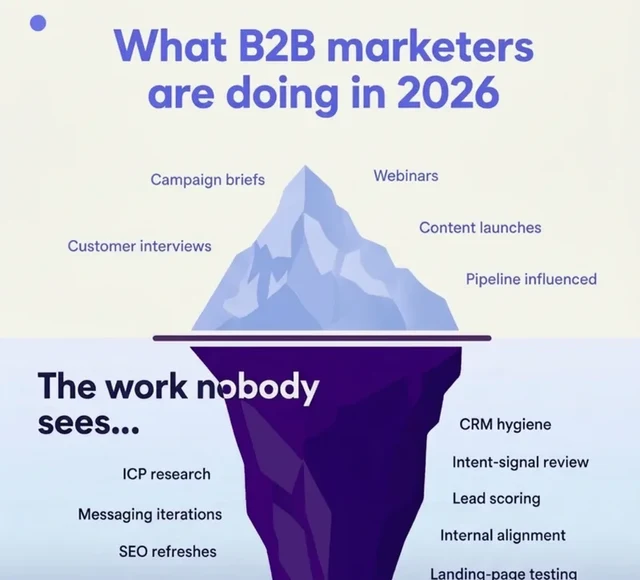
What B2B marketers are really doing in 2026
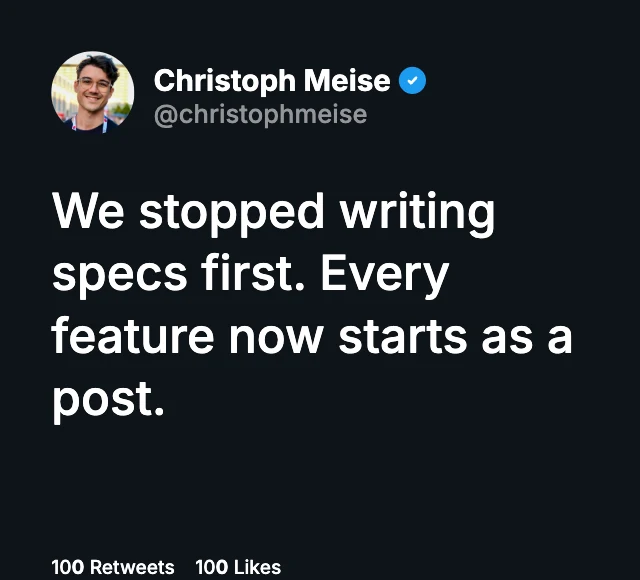
Why every feature we ship now starts with a post

Stop measuring content by impressions. Measure it by meetings.

The hiring mistake we made twice before building a content team

Your best posts are already in your calls